
Blog
The Buyer Persona: Your Brand's Most Underrated Tool
If you want your message to enter the public conversation and get people talking about your brand, you have three content distribution platforms at your disposal. First, you can pay for advertising (we call this kind of promotion paid media). You can also do something remarkable, and then the media and consumers will talk about you of their own accord (we call this the “buzz you earned”, or earned media). Finally, you have your own channels at your disposal: a website, a blog, a newsletter, or a fanpage – if you manage to build an audience, this is also an effective and inexpensive form of communication (we call it owned media).
Succeeding with these three platforms takes a bit of strategic work, though – you need to decide which ones to use and what to write about. Creating a persona, an imagined profile of your ideal audience member, makes these decisions much easier. Whether you're doing B2B marketing (aimed at companies) or B2C (aimed at consumers), it's always a human being who buys from you. So accurately defining your persona's traits makes it much easier to reach them with a message that resonates.
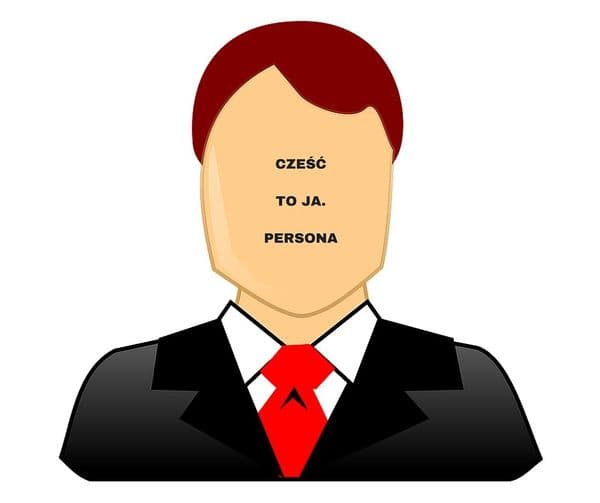
So that your persona isn't filled with content that doesn't matter, it's worth thinking about which questions to ask yourself while building it. Here's my ideal list:
- Demographics. Who is your audience? Age, gender, location, and education let you tailor your message. You write differently to a twenty-year-old woman from a small town than to a fifty-year-old university professor. And remember, you have to pick one version. You can't be “everything to everyone.”
- Job. What do they do for a living? Job title, scope of responsibilities, company size, industry… All of these are the starting point for deeper questions.
- Rituals. What does their typical day look like? What time do they get up, what do they read over breakfast, how do they commute to work, what do they do in their free time. This part lets you define the ideal brand touchpoints. If your audience spends half an hour commuting by tram, you could record them a thirty-minute podcast or hand them a longer piece to read on their phone…
- Pain. What problems can you help them solve? These problems only need to relate loosely to your product – it's hard to imagine someone reading your ad every day purely of their own free will. But if you identify their problems, you have their attention.
- Values. What do they care about, and what are their ambitions? The same product can be bought to impress the boss, or to have peace of mind at work. If you identify the “carrot”, things get a lot easier.
- Fear. What are they afraid of? The other side of the equation is the “stick”. If you want to prompt someone into action, fear is a great motivator. What does your customer fear? Which of those fears is the biggest?
The answers to these questions give you a very clear picture of the topics you can talk about with your customer. Remember: a good brand is the opening line of an interesting conversation.

Newsletter
Want more essays like this one?
One useful idea at a time — on brands, choices, stories and AI. Written when there is something worth developing, not to fill a schedule.